Bonny Lettering
A First Impression That Speaks Volumes
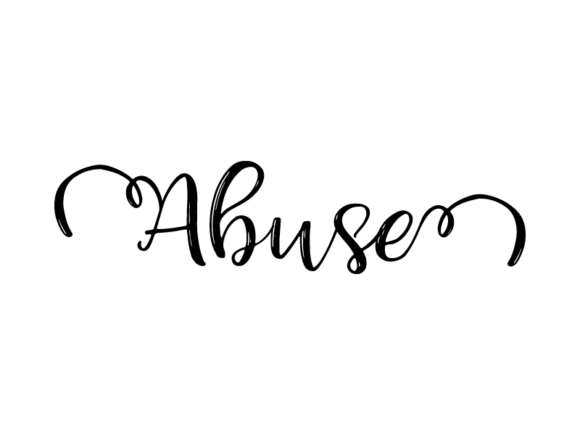
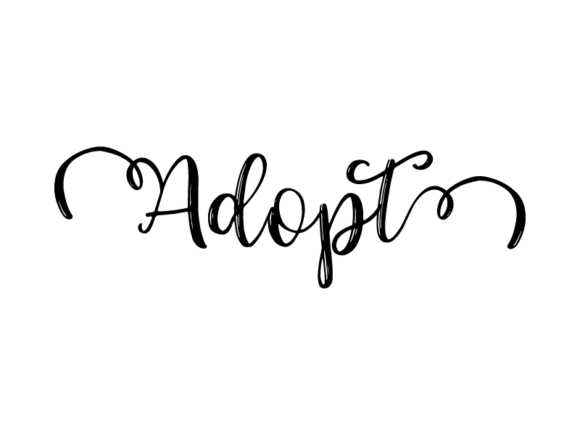
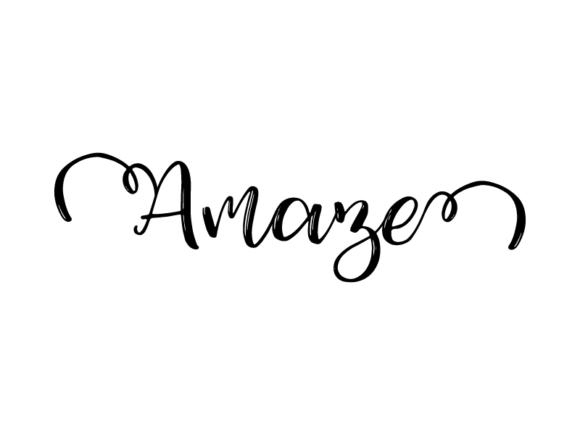
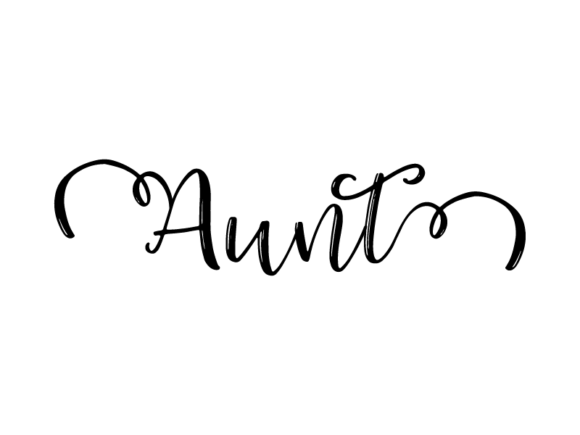
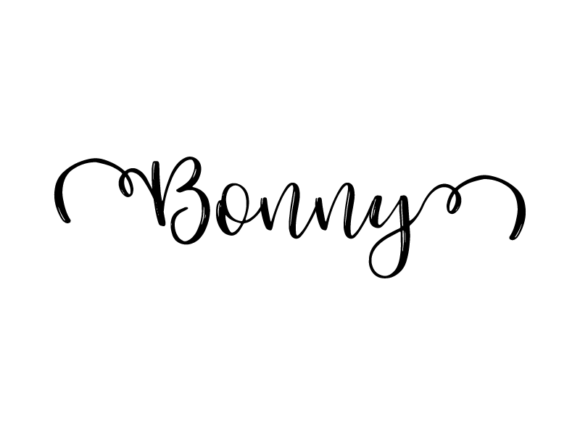
When I first opened the file for Bonny Lettering, I was immediately drawn to its hand-drawn charm and monochrome simplicity. The design feels warm, approachable, and slightly whimsical—like a handwritten note that someone might have scribbled on a napkin. It’s not overly intricate, which makes it versatile, but it still carries enough character to stand out in a sea of generic lettering options.
The Mood and Visual Personality
Bonny Lettering is designed with a soft, organic feel that suggests creativity and personal expression. The lines are fluid, with subtle variations that give the impression of being handcrafted rather than machine-generated. This kind of visual personality works well for projects that aim to evoke a sense of handmade authenticity, like personalized gifts or boutique branding.
Real-Life Scenario: Custom Embroidered Tote Bag
I imagine using Bonny Lettering on a custom embroidered tote bag. The design would sit nicely on the front, adding a touch of personality without overwhelming the overall look. Its simplicity allows it to complement other elements like patterns or logos, making it a great choice for small shop products or Etsy listings.
Performance in Real Embroidery Situations
Testing Bonny Lettering on different embroidery projects reveals its adaptability. On a sweatshirt, it adds a subtle flair that doesn’t distract from the garment itself. For baby clothes, the gentle curves and rounded edges make it safe and visually appealing. When applied to caps or hats, the design needs to be considered carefully due to curved surfaces, which can affect stitch density and alignment.
On a pillow cover, the lettering becomes a focal point, drawing attention without overpowering the fabric. However, on darker fabrics, the contrast may diminish, so it's important to test thread colors and consider how the design will appear in different lighting conditions.
Where to Use Carefully
- Small Hoop Sizes: Bonny Lettering can be challenging in tight spaces. Ensure the design fits comfortably within your hoop size to avoid distortion or stitching issues.
- Textured Fabrics: While the design looks great on smooth surfaces, textured fabrics may cause uneven stitching. Use appropriate stabilizers to maintain clarity.
- Dark Fabric: Consider using lighter thread colors to ensure visibility. A black and white mockup can help identify potential visibility issues before finalizing the project.
- Curved Surfaces: Caps, hats, and aprons require careful placement. Test the design on a scrap fabric to see how it behaves on curved areas.
- Dense Stitch Areas: The design’s detail level means it may require more time and precision during stitching. Confirm stitch density settings to maintain quality.
Visual Appeal and Product Value
Bonny Lettering enhances the visual appeal of any project it adorns. Its clean lines and thoughtful layout make it suitable for both personal and commercial use. When used effectively, it can elevate the perceived value of a handmade product, especially for craft businesses or Etsy sellers looking to differentiate themselves in a competitive market.
From a customer perspective, the design adds a personal touch that resonates with those who appreciate handmade items. It’s the kind of detail that makes a gift feel special and thoughtfully crafted.
Design Assets and Brand Consistency
As a digital embroidery file, Bonny Lettering offers flexibility. It can be used as an applique design or integrated into larger projects with fill stitches and satin stitches for added depth. The monochrome nature of the design makes it easy to adapt to various color schemes, supporting brand consistency across multiple products.
Practical Designer Notes
Before committing to a project, always test the design on scrap fabric. Check thread color contrast and stitch density to ensure clarity. Confirm hoop size compatibility and use proper stabilizer for delicate or stretchy fabrics.
Consider how the design will perform on different fabric types. For example, thin or stretchy materials may require additional support to prevent puckering or distortion. Always review the design in black and white mockups to understand how it will appear on dark or light backgrounds.
If you plan to sell finished products or digital files, verify licensing terms to ensure compliance with commercial use policies. Bonny Lettering is a versatile asset that can be used in a wide range of applications—from holiday gifts to custom apparel—but it’s important to understand the boundaries of its use.
Conclusion
Bonny Lettering is a thoughtful, adaptable design that brings a unique charm to any embroidery project. Whether you’re crafting a personalized gift, designing for a small shop, or creating digital assets for a craft business, this design has the potential to add value and personality to your work. With careful consideration of fabric type, hoop size, and thread color, it can become a standout element in your portfolio of embroidery projects.