Abuse Lettering Graphics for Print Templates
First Impressions and Emotional Tone
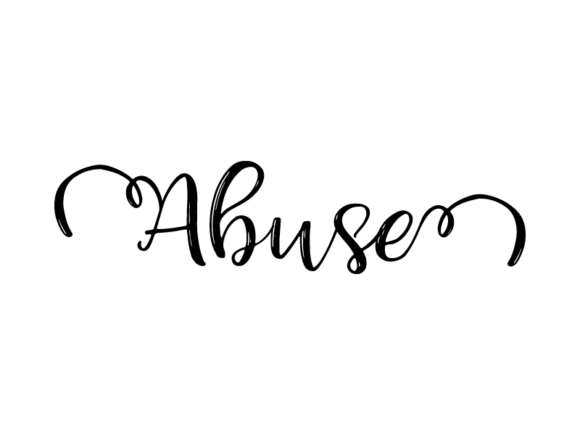
The first impression of Abuse Lettering is one of raw creativity and expressive energy. This hand drawn vector monochrome graphic lettering concept carries a casual yet artistic vibe that immediately signals a unique, handmade aesthetic. It feels like a personal touch rather than a sterile design element, which can be powerful in building emotional connections with audiences.
Brand Identity and Visual Consistency
When reviewing Abuse Lettering as a brand designer, I consider how it contributes to brand identity. The lettering’s organic texture and subtle imperfections suggest authenticity, making it ideal for brands that value a handmade or artisanal feel. However, its lack of polish may not align with more formal or corporate branding needs. It’s important to test the asset against your brand color palette and ensure it maintains visual consistency across all marketing materials.
Marketing Use Cases
Abuse Lettering performs exceptionally well in scenarios where a creative, eye-catching design is needed without sacrificing clarity. It shines in social media graphics, Instagram posts, and Pinterest pins where bold visuals are essential for engagement. Its versatility allows it to be used in product labels, packaging design, and even editorial layouts, offering a fresh alternative to standard typography.
Social Media and Digital Campaigns
For digital campaigns, Abuse Lettering can serve as a strong visual anchor. Whether it's a campaign header, promotional banner, or a branded template, its hand-drawn style adds personality and helps content stand out in a crowded digital space. When paired with clean backgrounds and minimal text, it enhances readability while maintaining an artistic edge.
Print and Merchandise Design
As a printable design, Abuse Lettering is perfect for creating merchandise such as T-shirts, notebooks, and stickers. Its monochrome nature makes it adaptable for both black and white printing, which is especially useful for small business branding. It also works well on light-colored surfaces, allowing for easy customization across different product types.
Supporting Marketing Goals
Abuse Lettering supports several key marketing goals. It creates a stronger first impression by drawing attention through its distinctive style. It also helps establish a clear visual hierarchy when used strategically in headers and call-to-action sections. By adding a unique visual element to branding efforts, it builds audience trust and recognition over time.
Enhancing Audience Engagement
The hand-drawn quality of Abuse Lettering fosters an emotional connection with viewers, particularly those who appreciate creativity and individuality. It can be a great tool for content creators and small business owners looking to build a loyal following through visually engaging material. Its ability to convey inspiration and energy makes it ideal for lifestyle content, event promotions, and editorial design.
Professional Branding Considerations
While Abuse Lettering is a powerful graphic design asset, it should be used with care in certain contexts. In dense information layouts or text-heavy ads, its playful style might overshadow the main message. Similarly, on low-contrast backgrounds or small mobile screens, it could become less readable. Always preview the design in real-world settings to ensure it remains effective and professional.
Practical Design Notes
As a brand designer, I recommend testing Abuse Lettering with your brand’s color palette to see how it complements or contrasts with your existing visuals. Check its performance in black and white to ensure it remains legible and impactful. Place it inside real campaign mockups to assess its integration with other design elements.
Testing and Pairing
Preview the design on mobile screens to confirm its effectiveness in smaller formats. Test readability in various sizes to ensure it remains clear and consistent. Compare it against competitor visuals to determine its competitive edge. Experiment with pairing it with serif, sans-serif, script, and display fonts to find the best combinations for your brand voice.
Commercial Licensing and Usage
Before using Abuse Lettering in paid campaigns or client work, confirm the commercial license. Ensure you have the right to use it in print templates, digital products, and web design. This asset is well-suited for Canva templates, marketing visuals, and design bundles, but always verify usage rights to avoid legal issues.
Conclusion and Recommendation
Abuse Lettering is a versatile graphic design asset that offers a fresh, artistic approach to branding and marketing. It’s ideal for creative designers, small business owners, and content creators looking to add a unique visual element to their campaigns. While it may not be suitable for all branding scenarios, it excels in areas where creativity and personality are valued. With proper testing and strategic application, it can significantly enhance your brand’s visual presence and audience engagement.