Claim Lettering: A Powerful Graphic Asset for Branding and Marketing
A First Impression That Speaks Volumes
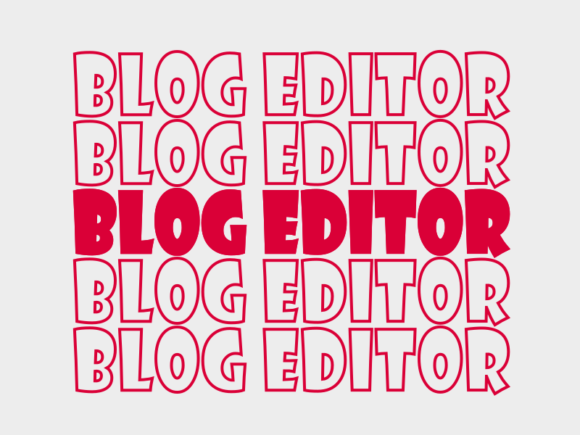
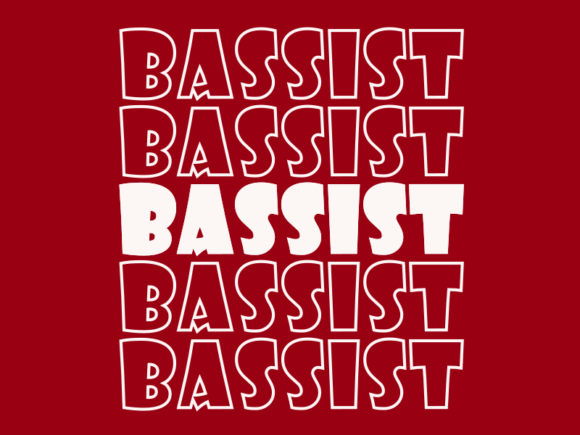
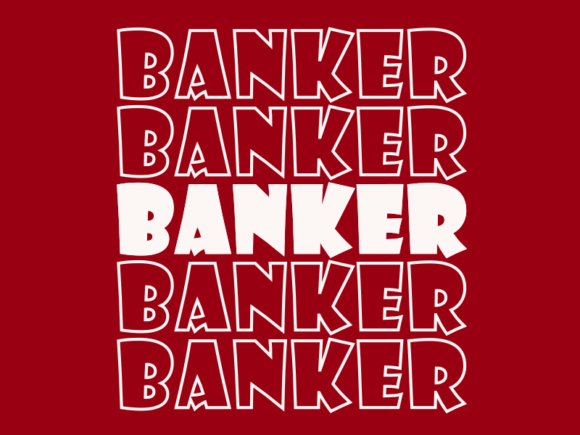
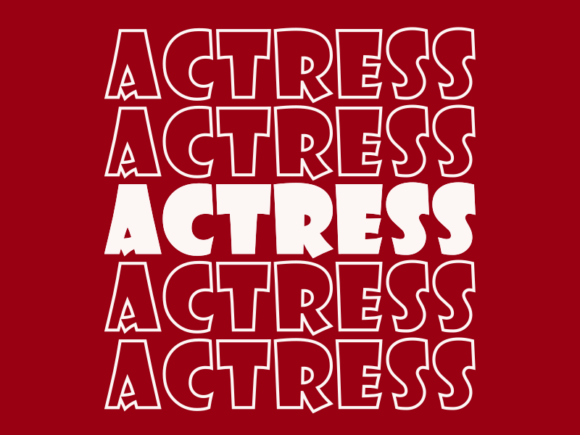
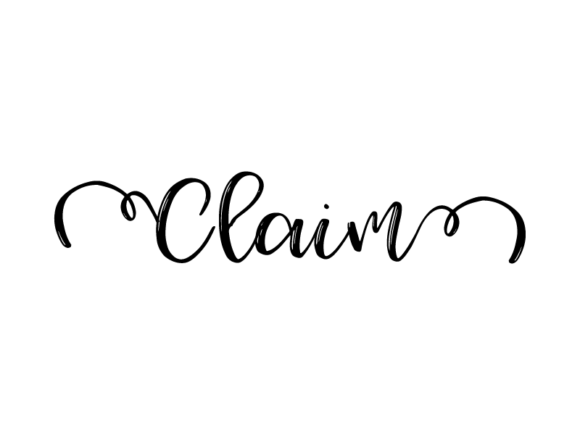
The first time I saw Claim Lettering, I was immediately drawn to its hand-drawn aesthetic. This hand drawn vector monochrome graphic lettering concept carries a warm, personal vibe that feels both modern and nostalgic. It’s the kind of design that invites you to pause and appreciate the artistry behind it. The monochrome palette gives it a clean, timeless feel, making it versatile across different brand identities.
Fitting Into Real Marketing Projects
I recently worked with a small business launching a seasonal product line. They needed fresh visuals that could be used across multiple platforms—from social media to packaging. Claim Lettering was the perfect fit. Its bold yet approachable style allowed us to create eye-catching headers, promotional banners, and branded templates without overwhelming the audience. It brought a sense of creativity and authenticity that aligned perfectly with their brand voice.
Visual Consistency and Audience Perception
One of the key strengths of Claim Lettering is its ability to support visual consistency. When used consistently across marketing materials, it helps reinforce brand identity. The lettering’s unique texture adds character while maintaining professionalism. This balance makes it ideal for brands aiming to build trust and recognition. It also creates a strong emotional connection with the audience, especially in lifestyle and handmade product categories.
Where Claim Lettering Shines
- Hero Graphics: Claim Lettering works exceptionally well as a focal point in hero images, drawing attention immediately.
- Campaign Headers: Its bold presence makes it ideal for campaign headers and launch visuals.
- Branded Templates: It can be easily integrated into Canva templates and other digital tools, supporting a wide range of marketing visuals.
- Social Media Covers: The lettering adds personality to social media covers and post designs.
- Product Labels: It’s great for product labels, especially on items like notebooks, cups, and tags.
- Editorial Design: It fits seamlessly into editorial layouts, adding a creative touch to blog posts and content kits.
When to Use It Carefully
While Claim Lettering is highly versatile, there are situations where it might not be the best choice. For instance, in formal corporate branding or text-heavy ads, its playful nature could clash with the desired tone. Similarly, on low-contrast backgrounds or in small mobile graphics, it may lose clarity. It’s important to test its readability in different contexts before finalizing its use.
Design Notes for Brand Creators
As a brand designer, I recommend testing Claim Lettering against your brand color palette. It works best when paired with neutral tones or complementary colors. Always check how it looks in black and white to ensure it remains legible and impactful. Previewing it on mobile screens is crucial, as smaller sizes can affect readability. Also, compare it with competitor visuals to ensure it stands out in the market.
Pairing with Other Fonts
Claim Lettering pairs well with a variety of fonts. It complements serif fonts by adding a touch of elegance, while pairing with sans-serif fonts creates a modern, clean look. Script and handwritten fonts can enhance its handmade feel, making it ideal for lifestyle and creative brands. Display fonts can be used to create striking headlines that grab attention instantly.
Supporting Marketing Goals
Claim Lettering supports several key marketing goals. It enhances first impressions by creating visually engaging content that stands out. It helps establish a clear visual hierarchy, guiding the audience’s attention effectively. By maintaining consistent branding across all touchpoints, it builds stronger audience trust and recognition. Ultimately, it contributes to more memorable campaign visuals that resonate with the target audience.
Practical Applications Across Platforms
From digital ads to web design, Claim Lettering offers a wide range of applications. It can be used in email banners, website headers, and lead magnets to create a cohesive brand experience. Whether it’s for printable design or SVG design, this asset is adaptable and ready for various creative marketplaces.
Limitations and Considerations
Before using Claim Lettering in a paid campaign or client work, always confirm the commercial license. Ensure that it aligns with your brand’s overall strategy and does not compete with the main message in any design. Testing it in real campaign mockups is essential to understand how it performs in context.
Conclusion: A Strong Design Asset for Content Creators
Claim Lettering is a valuable graphic design asset that brings creativity and personality to marketing materials. It supports both casual branding and professional branding, depending on how it’s applied. With careful consideration of its use cases and limitations, it can significantly enhance a brand’s visual presence and audience engagement. For content creators and small business owners looking to stand out, this printable design is a powerful tool in their creative arsenal.