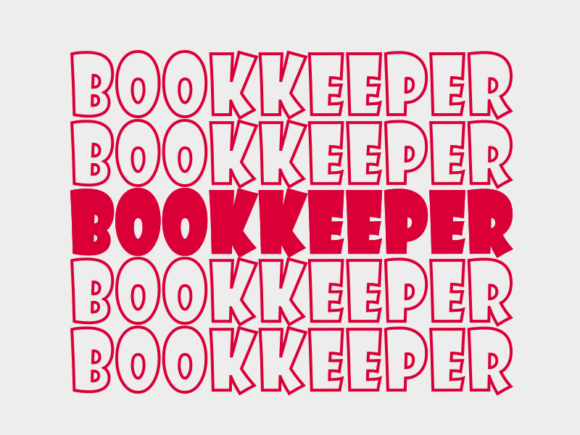
Bookkeeper Svg Cut File
A Practical Eye on Design for Real Projects
As a designer who’s spent years working with embroidery files, I approach every new design with the same question: Will this work in real life? The Bookkeeper Svg Cut File is no exception. It’s a clean, professional graphic that immediately feels like it could fit into a variety of projects. But before I dive into how it might look on a finished product, I want to assess its strengths and limitations from the perspective of someone preparing a custom embroidered tote bag for a client.
The First Impression
The Bookkeeper Svg Cut File has a straightforward, minimalist aesthetic. It’s not overly detailed or busy, which makes it ideal for those looking for a subtle yet recognizable design. The shape is simple, almost geometric, and the layout is balanced. There’s a sense of professionalism here, as if the design was created with both function and style in mind.
I’m immediately drawn to the mood it conveys—reliable, organized, and slightly whimsical. It’s the kind of design that could easily be mistaken for a stationery element, but it also carries the potential to become a signature piece for a brand or craft business. This balance between simplicity and personality is what makes the Bookkeeper Svg Cut File stand out in a market full of complex designs.
Real-Life Embroidery Use Cases
When thinking about where the Bookkeeper Svg Cut File would shine, I consider several practical scenarios. A sweatshirt embroidery project comes to mind—something that could be used for a small shop’s branded merchandise or a personalized gift. The design’s clean lines make it easy to stitch, and its neutral tone allows for flexibility in color choices.
It also fits well with custom apparel, especially in the form of embroidered patches or applique designs. Imagine using it on a cap or a tote bag design—both are common items in the craft and small business markets. The Bookkeeper Svg Cut File doesn’t demand too much space, making it a great candidate for smaller hoop sizes or products with limited surface area.
For holiday embroidery or wedding gifts, the design’s simplicity can be a strength. It’s versatile enough to be used on a baby item, such as a onesie or a blanket, without overwhelming the fabric. However, I’d caution against using it on very thin or stretchy fabrics, as these can affect stitch clarity and overall appearance.
Considerations for Commercial Use
Before committing to the Bookkeeper Svg Cut File for a commercial project, there are a few key factors to consider. First, test the design on scrap fabric. This helps you see how the stitch density and thread colors interact with different fabric textures. If the design has tiny lettering or intricate corners, it may require more careful handling, especially when working with dark or textured materials.
Another important step is to check the hoop size required for the design. Some SVG files can be large, and using them on a small hoop can lead to distortion or poor stitching quality. Also, ensure you’re using the right stabilizer for your project. For example, a tear-away stabilizer might be better suited for lighter fabrics, while a water-soluble option works well for darker or more delicate materials.
Additionally, always review the license terms before selling any finished product or digital asset. The Bookkeeper Svg Cut File is a digital embroidery file, so it’s essential to understand whether it’s intended for personal use only or if it can be sold as part of a craft business or Etsy listing.
Design Impact on Final Product
The Bookkeeper Svg Cut File has the potential to enhance the visual appeal of a handmade product. Its clean lines and minimal detail make it an excellent choice for personalized gifts or nursery decor. When stitched properly, it adds a touch of sophistication without being too flashy.
From a branding standpoint, the design offers a level of consistency that can help establish a recognizable identity. Whether used on a printable mockup or a digital product preview, the Bookkeeper Svg Cut File maintains its integrity across different formats, which is crucial for online sales and marketing efforts.
However, it’s worth noting that the design’s simplicity may not be suitable for all applications. For instance, it might not carry the same weight as a more intricate machine embroidery design in a high-end boutique setting. That said, it’s perfectly suited for casual or functional items like tea towels, pillow covers, or apparel decorators.
Practical Designer Notes
If you're considering using the Bookkeeper Svg Cut File, here are a few tips to keep in mind:
- Test on scrap fabric first. Always check how the design looks and stitches before applying it to a final product.
- Check thread color contrast. Ensure the chosen thread complements the fabric and enhances the design’s visibility.
- Review stitch density. Too dense or too sparse stitching can affect the overall look and durability of the finished item.
- Confirm hoop size. Using the correct hoop ensures the design remains clear and accurate during the cutting process.
- Inspect small details. Look closely at letters, corners, and decorative elements to ensure they’re well-defined.
- Test in black and white mockups. This helps identify any issues with contrast or clarity before coloring.
- Compare light and dark fabric backgrounds. The design may appear differently depending on the material used.
- Use proper stabilizer. This supports the fabric and prevents puckering or distortion during stitching.
- Check licensing before selling. Make sure you have the right to use the design for commercial purposes.
Ultimately, the Bookkeeper Svg Cut File is a solid choice for designers and crafters looking for a versatile, professional design. It’s not the most elaborate or detailed, but that’s where its strength lies—it’s reliable, easy to work with, and adaptable to a wide range of projects. With the right preparation and attention to detail, it can become a valuable asset in your craft business or small shop product lineup.